
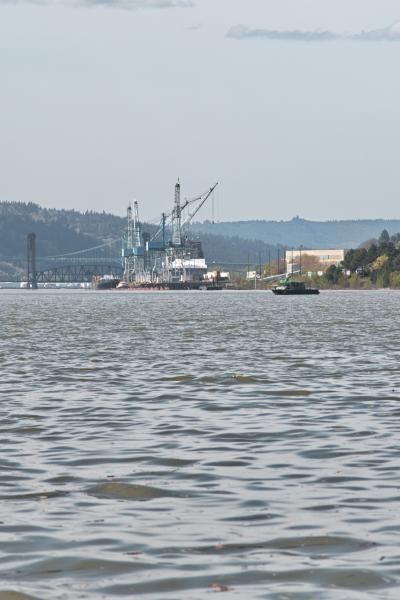
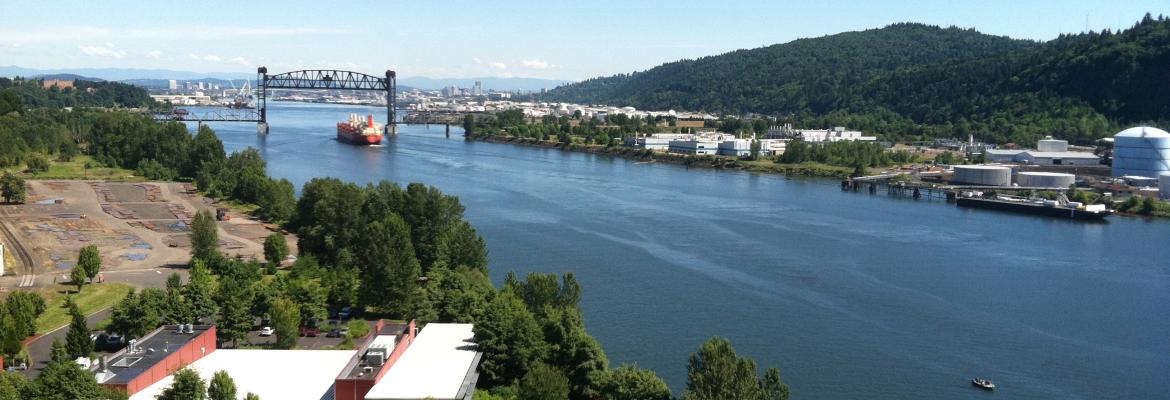
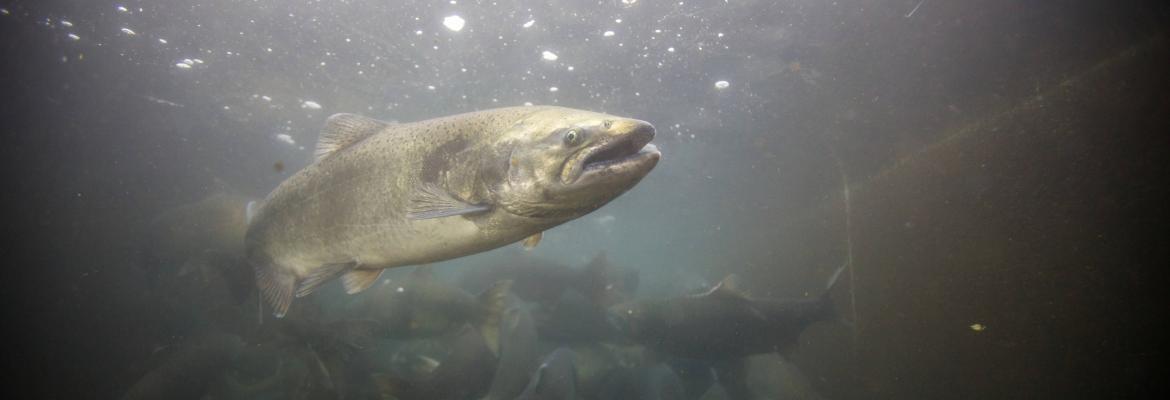
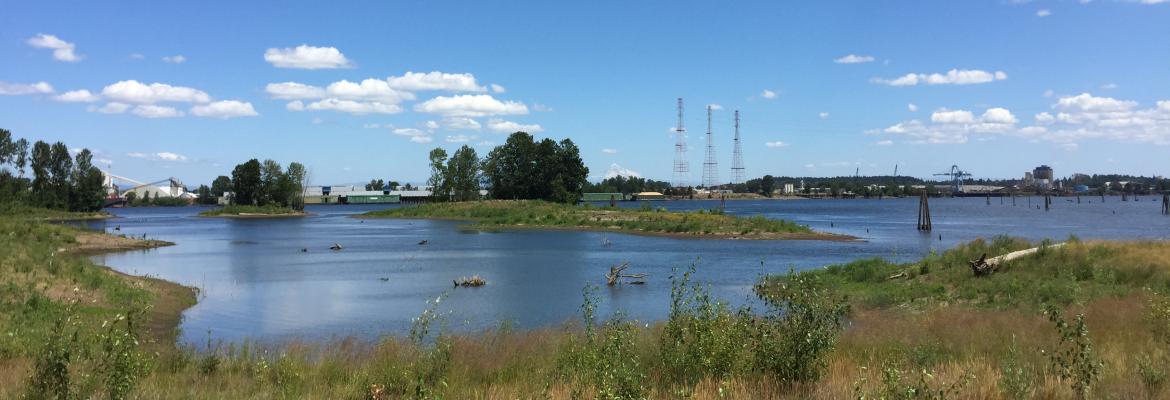
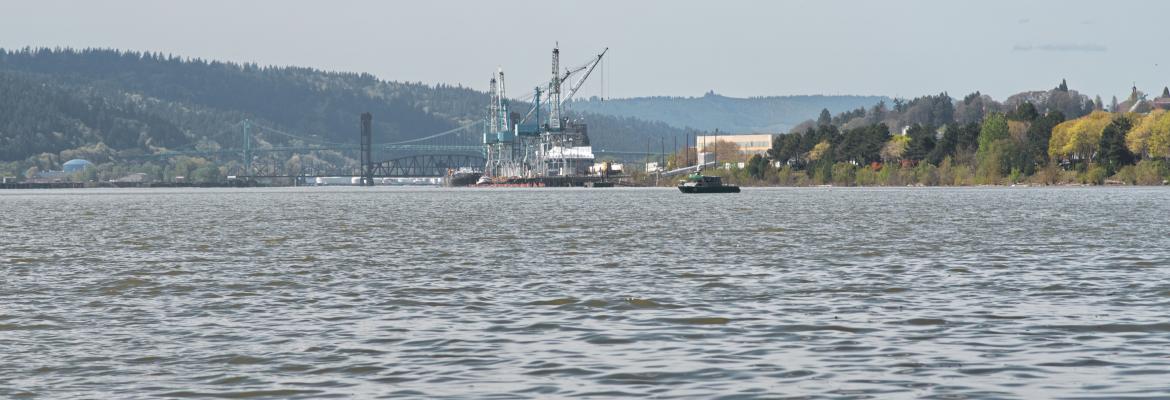
Natural resources at Portland Harbor, including water, fish, and wildlife are held in trust for all people. Responsibility for protecting these resources is shared among Trustees: specific federal and state agencies and tribes. When natural resources are injured by releases of hazardous substances or oil, federal laws empower the Trustees to obtain compensation and restore the injured resources and their habitats. This process is called natural resource damage assessment (NRDA). NRDA is separate from the cleanup process at the Portland Harbor Superfund Site, which is led by the EPA. The Portland Harbor Natural Resource Trustee Council website provides information on the Trustee Council, the damage assessment process, and how restoration activities are benefiting natural resources and the public.
What's New

Popular Resources

This storymap created by NOAA and the Portland Harbor Natural Resource Trustee Council depicts a visual journey of restoration efforts in Portland Harbor in Oregon. It highlights four restoration projects that provide broad, long-term ecosystem benefits concentrated within and around the area where the injuries to natural resources have taken place.

As part of Phase 2 of the three-phase Portland Harbor natural resource damage assessment (NRDA), the Trustee Council entered into settlement negotiations with 23 PRPs, and at the same time worked with restoration project developers to generate restoration credits that the Trustee Council and/or settling PRPs can purchase. This document provides answers to questions about the consent decrees, the NRDA process, restoration projects, and next steps for the Trustee Council.
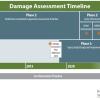
The Portland Harbor Superfund Site was designated in 2000. This Project Timeline shows the progression of the Natural Resource Damage Assessment process.