

Visit Us
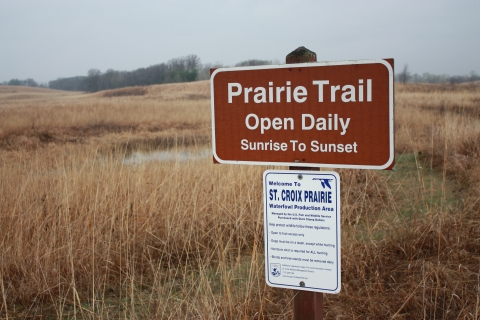
When visiting St. Croix Wetland Management District, you will have the opportunity to experience the sights, sounds and wildlife of a variety of different habitats including wetlands, prairie and oak savanna. District lands are located in St. Croix, Polk, and Dunn counties. The district has something to offer for everyone whether you are interested in harvesting wild game, adding birds to your bird life list or simply burning some calories through hiking. We encourage you to explore your public lands through different recreational opportunities such as hunting, fishing, wildlife viewing, photography and public events offered by the station.
Location and Contact Information
Our Species
The wildlife you may encounter on a visit to the district includes migratory waterfowl and grassland nesting birds. These species depend on the wetlands and grasslands found throughout the district for nesting and brood rearing habitat. Additional wildlife you may see during your visit include game species such as ring-necked pheasants and white-tailed deer, large and small mammals such as black bear and otter, reptiles and a variety of insects and butterfly species.