Written By

From bald eagles to spoonbills, from condors to puffins, birds abound on national wildlife refuges. Refuges provide places for birds to nest, rest, feed and breed. Refuges conserve bird habitat and help bird species survive. No wonder refuges are some of America’s birdiest places.
Whether you’re an experienced birder or a newbie, there’s a wildlife refuge for you.
Here are some birds whose looks and habits make them fun to spot at wildlife refuges.
Catch a thrill at a bird fest. See our festival calendar for events near you.
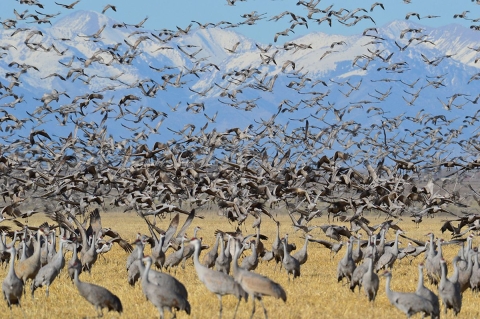
Bird Spotting at National Wildlife Refuges
What birds are being seen at a refuge near you? Find out in seconds, using this refuge birding feedback tool. The tool is provided through eBird, a crowd-sourced citizen science site managed by the Cornell Lab of Ornithology.
Become a Birder
- How to Get Started
Even if you barely know a robin from a blue jay, you can have fun and learn. Birding doesn’t have to be a solo experience. Discover others who share your interest in birds.
Some birders go all out in counts, at rallies and when aiming for personal bests.
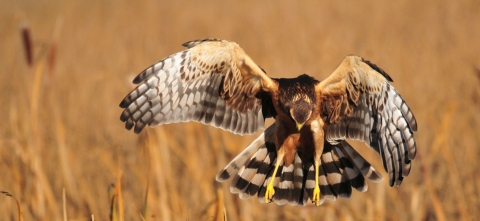
Helping Birds Survive
Some bird species, such as the Laysan albatross, owe their existence to conservation efforts by national wildlife refuges and their partners: Refuges to the Rescue
Put Your Stamp on Bird Conservation
Buying a Federal Duck Stamp is one of the easiest ways you can support the conservation of bird habitat. Duck Stamp revenue is used to acquire and protect wetlands where birds feed and nest. The Duck Stamp you buy helps ensure your children will have the opportunity to see the migrating duck, geese and shorebird species you enjoy today.
Winged Marvels
Why do birds excite such wonder? These colorful photo stories show you some of the reasons.
“Flight of Fancy, 12 Amazing Birds”
“A Chorus of Color: Amazing Birds on Public Lands”
Recreational Activities
Written By
Related Stories




Latest Stories